Monday to Friday - By appointment
Better vision,
better living

Our Laser Treatments

  • Myopia Correction

  • Astigmatism Correction

  • Correction of Certain Cases of Hyperopia

Myopia Correction

Myopia is the most common vision disorder in the world. It is characterized by clear near vision but blurry distance vision — making it difficult to drive, read a board, or recognize a face from afar. It is caused by an elongated eyeball or an overly curved cornea, which causes the image to form in front of the retina instead of directly on it.

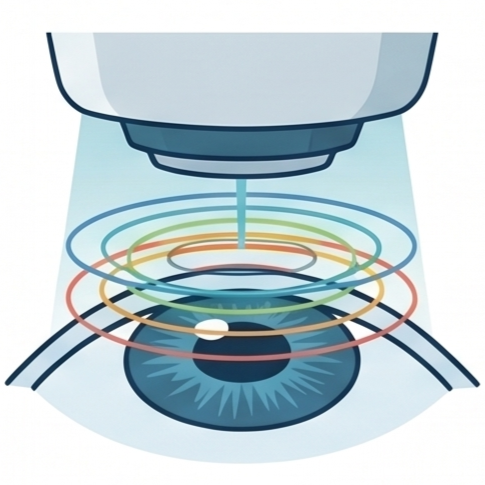
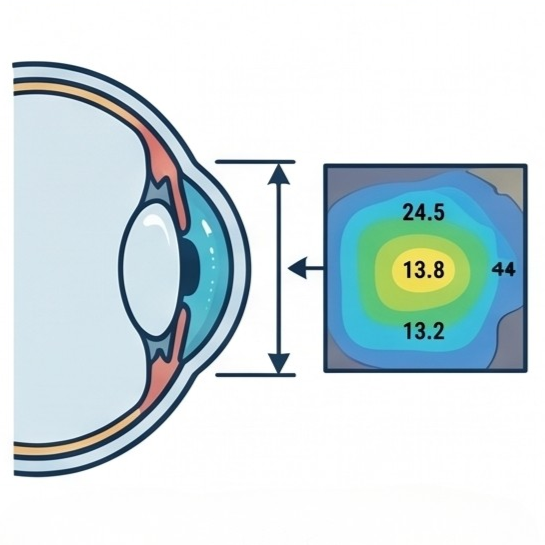
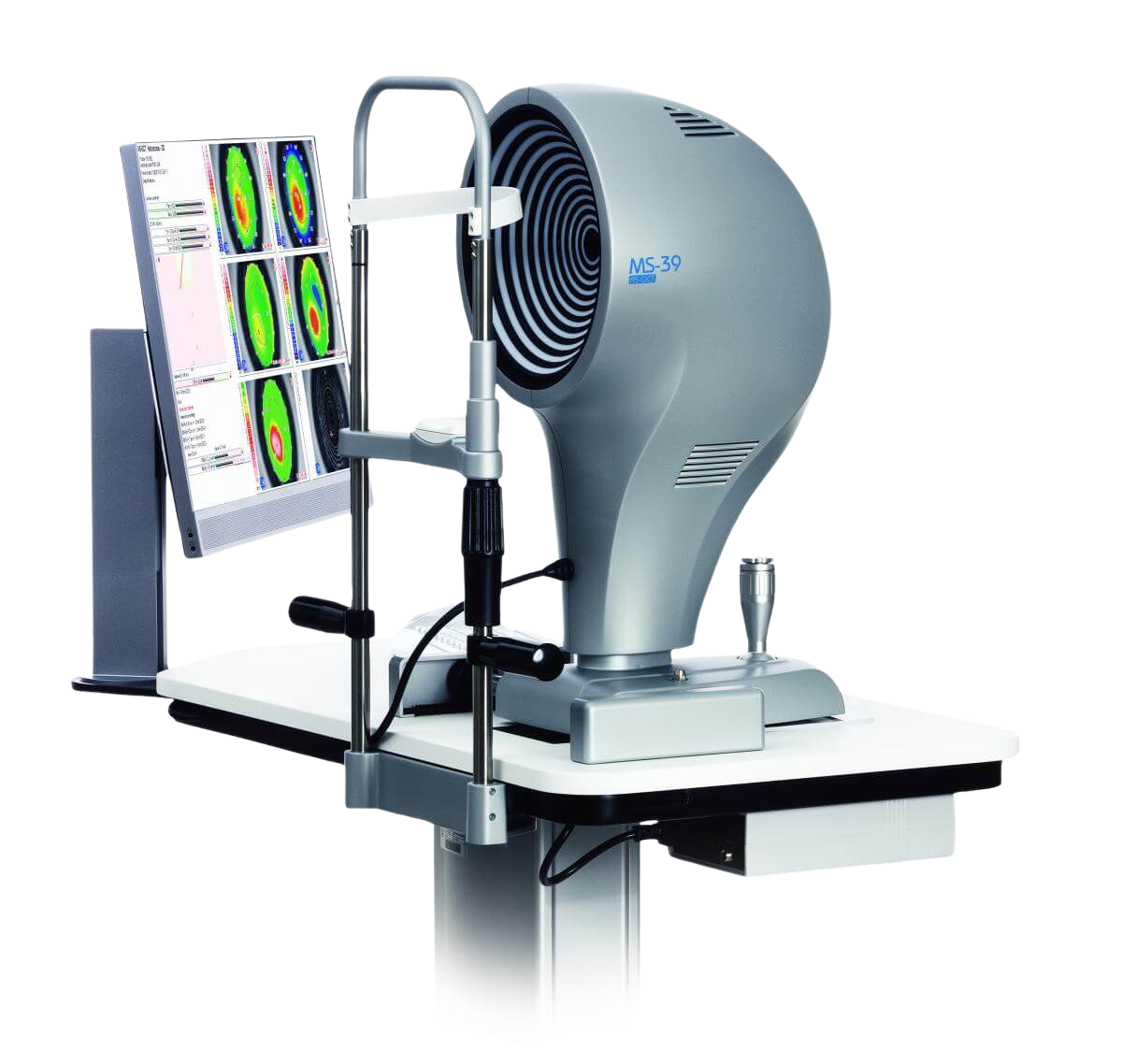
Thanks to Trans-PRK laser surgery using SCHWIND technology, the excimer laser precisely reshapes the corneal surface to correct this focusing defect. The treatment is guided by precise data from the CSO MS-39 topographer, ensuring a tailor-made correction and a stable, long-lasting result. The vast majority of treated myopic patients regain 20/20 vision without glasses or contact lenses.


iamge

Astigmatism Correction

Astigmatism is caused by an irregularity in the curvature of the cornea: instead of being perfectly spherical, it has two different radii of curvature. As a result, images appear blurry or distorted, both up close and at a distance. Astigmatism is often associated with myopia or hyperopia.

SCHWIND technology is particularly effective for treating astigmatism thanks to the precision of its laser beam and the detailed mapping provided by the CSO MS-39. This topographer identifies with remarkable accuracy the areas of the cornea to be reshaped, enabling a fine, stable, and personalized correction. Results are generally excellent, with a marked improvement in visual sharpness.

iamge

Correction of Certain Cases of Hyperopia

Hyperopia is a visual disorder that makes near vision difficult and can lead to eye strain, headaches, or discomfort when reading or working on screens. It is generally caused by an eye that is slightly too short or a cornea with insufficient curvature, which causes images to form behind the retina rather than directly on it.

In certain cases of mild to moderate hyperopia, laser refractive surgery can correct this visual defect by reshaping the cornea to better focus light rays onto the retina. This procedure aims to improve vision quality and reduce, or even eliminate, dependence on glasses or contact lenses.

iamge
A Fundamental Step

Comprehensive Pre-Operative Assessment

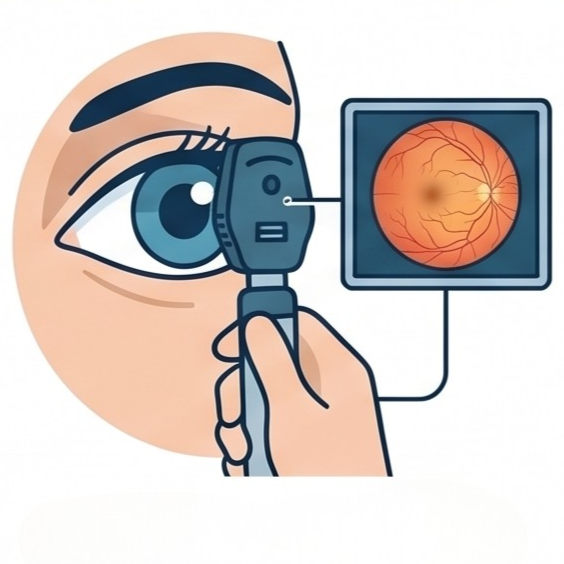
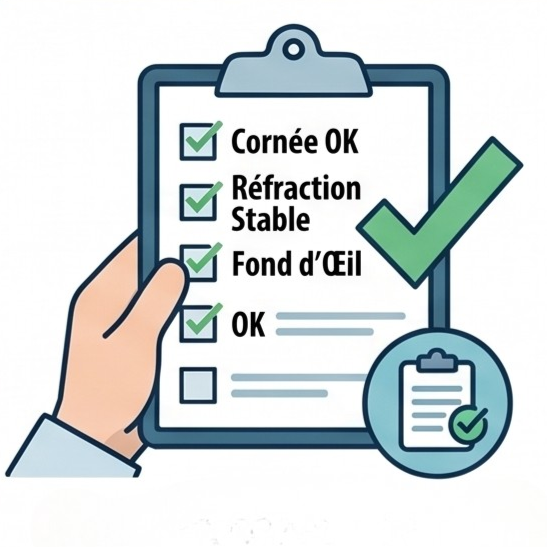
Your safety begins well before the procedure. At Oasis Laser Center, the pre-operative assessment is a fundamental step that mobilizes our most advanced equipment. This comprehensive assessment is essential — it allows us to guarantee that surgery can be performed safely, and to calibrate the laser treatment down to the micrometer according to your unique corneal profile. It includes:

Your Recovery, Our Priority

Personalized Post-Operative Follow-Up

Our support doesn't stop at the treatment room door. After your procedure, a series of follow-up consultations is scheduled to monitor epithelial healing, the progress of your vision, and to support you at every stage of your recovery. You have access to our team for any post-operative questions or concerns. This attentive follow-up guarantees an optimal result and a smooth transition to your new life without glasses.

Faq's

Frequently Asked Questions About Our Services

  • Is the surgery painful?

    The Trans-PRK technique is performed under local anesthesia using eye drops. You will feel no pain during the procedure. During the first two to four days afterward, a slight burning sensation or discomfort is possible, related to epithelial regeneration — this is completely normal and expected. Appropriate pain relief treatments and eye drops are prescribed to maximize your comfort.

  • How long does the procedure take?

    The laser treatment itself lasts only a few seconds to a few tens of seconds per eye, depending on the degree of correction. The complete session, including preparation, generally lasts between 10 and 20 minutes for both eyes. It is one of the fastest medical procedures for such a lasting result.

  • When does vision return to normal?

    Visual recovery is gradual with Trans-PRK. A significant improvement is generally noticeable within the first few days, and vision continues to sharpen for 4 to 6 weeks, as the corneal epithelium fully regenerates. Most patients resume normal activities within about a week.

  • Can everyone undergo laser surgery?

    No — and this is precisely why the pre-operative assessment is essential. Criteria such as age, stability of the correction, corneal thickness, and the absence of eye conditions must be verified. If you are not a candidate, we will explain this clearly and work with you to find the best alternative.

Practical Information

Chat with us on WhatsApp